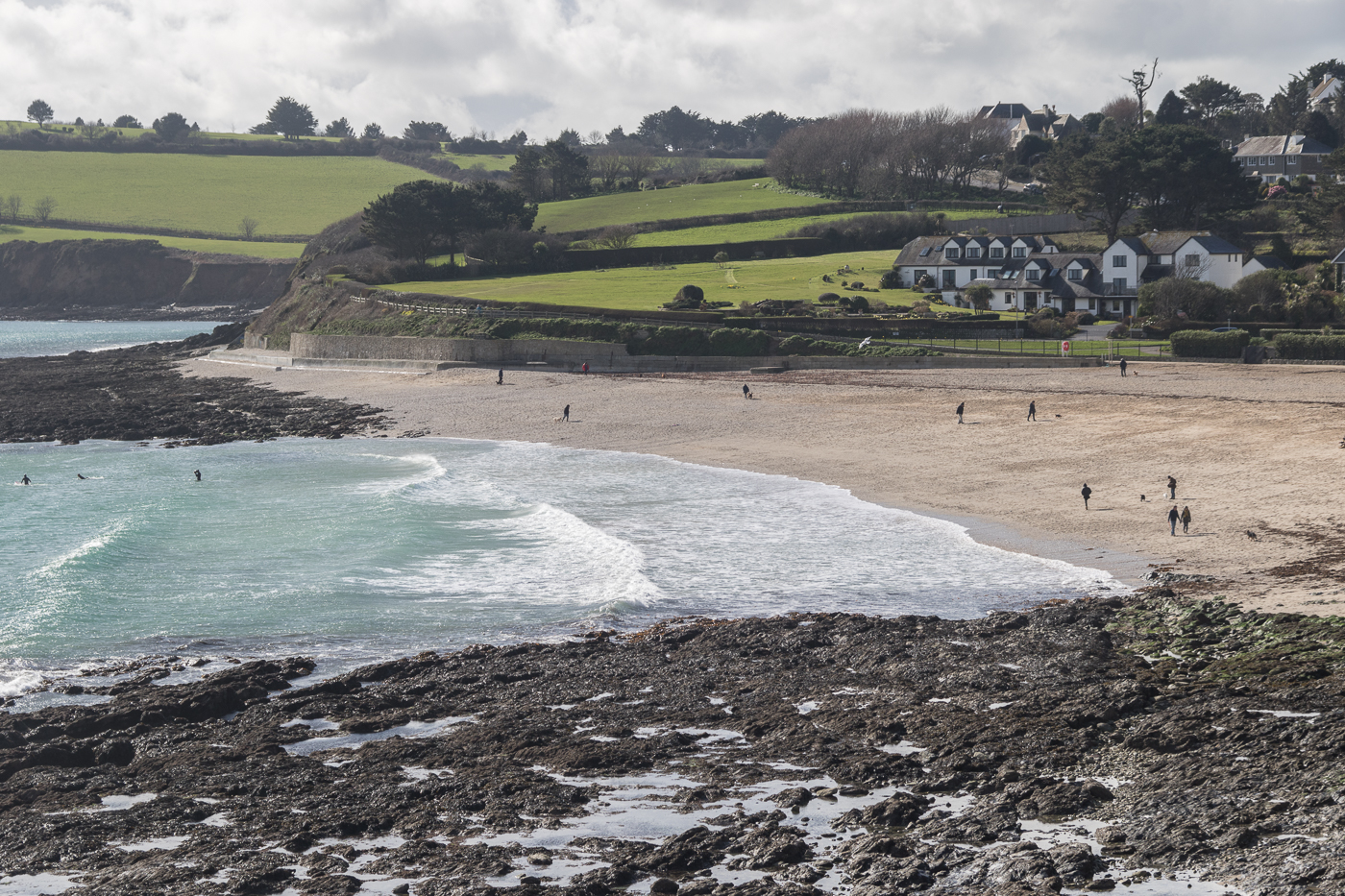
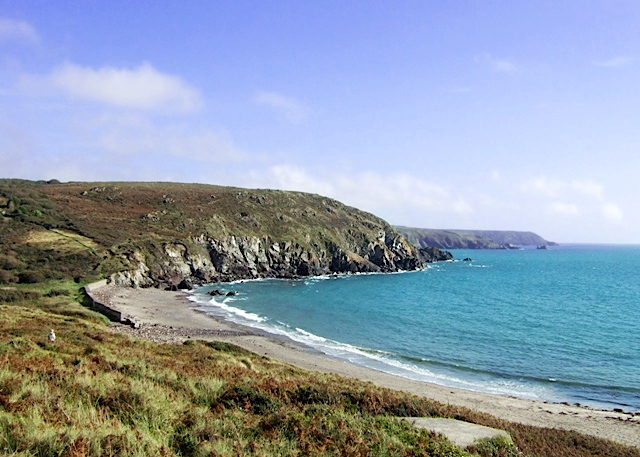
Aldbrough Beach
Aldbrough sits on the fastest-eroding coastline in Europe and the beach below it carries no dog restriction of any kind. The East Riding of Yorkshire Council dog Public Spaces Protection Order names only four beaches in the whole county, Bridlington North, Bridlington South, Hornsea and Withernsea, so Aldbrough is outside the order entirely and dogs may run here off lead all year round. Access is down the ramp at the seaward end of Seaside Road, past the caravan parks, and the cliff top itself is genuinely dangerous: the road has been shortened repeatedly, houses have gone over the edge, and the boulder clay slumps without warning after rain. Walk on the sand rather than at the foot of the cliff, check the tide because the beach narrows against the clay at high water, and treat any fenced or taped section as closed.

Allonby Beach
A wide, shallow beach of sand and shingle on the Solway, backed by a village green and the old sea-bathing terraces. No seasonal dog ban applies, and the tide goes a long way out; keep dogs on leads where the shore meets grazing land and away from nesting birds.

Alnmouth Beach
The sand east of the village, running from the Aln estuary mouth south towards Buston Links, with dune paths from the top of the village. No seasonal dog ban applies here in any month. The estuary channel shifts and runs fast on the ebb, so the open beach is the better side for a dog in the water.

Atwick Beach
Atwick is the first beach north of Hornsea and it sits entirely outside the council's dog Public Spaces Protection Order, which names only Bridlington North, Bridlington South, Hornsea and Withernsea, so dogs are free here off lead every day of the year with no seasonal ban. Go through the village past the Black Horse on Main Street, take Cliff Lane to its end and the beach is reached by a steep and often slippery clay ramp cut into the cliff, which is remade every few years as the sea takes the last one. There is space for a handful of cars at the top and nothing else, no toilets, no cafe and no lifeguard. Turn south and you can walk the whole sand into Hornsea at low water. The cliff is soft boulder clay retreating a couple of metres a year, so keep well out from its foot and never sit under it.

Babbacombe Beach
A small shingle beach below the Babbacombe cliffs, with beach huts, a couple of cafes and the Cary Arms at one end. Torbay Council lists it among the beaches where dogs are allowed all year round, which makes it the obvious summer choice on this stretch while Oddicombe next door is closed.

Bamburgh Beach
Three miles of pale sand under the castle, wide enough at low water to lose a dog in the distance, and rarely crowded even in August. There is no seasonal dog ban here at any time of year, which is the reason people bring dogs to this coast rather than to Yorkshire or Northumberland's own southern resorts. Park on Links Road or at the castle and walk in over the dunes.

Beadnell Bay
A mile and a half of firm sand curving south from Beadnell harbour to the Long Nanny burn, with dunes behind and the Cheviots on the skyline inland. Dogs are welcome all year: no seasonal ban applies anywhere on this stretch. The tern colony at the Long Nanny end is fenced and wardened in summer, so keep to the water's edge as you get near it.

Beesands Beach
A mile of steep shingle in Start Bay, backed by a single row of cottages, the Cricket Inn and a freshwater ley. No dog exclusion applies here in the South Hams order, so it is open to dogs all year; the shelving beach and strong undertow are the reason to think twice, not the rules.
Blacktoft Humber foreshore
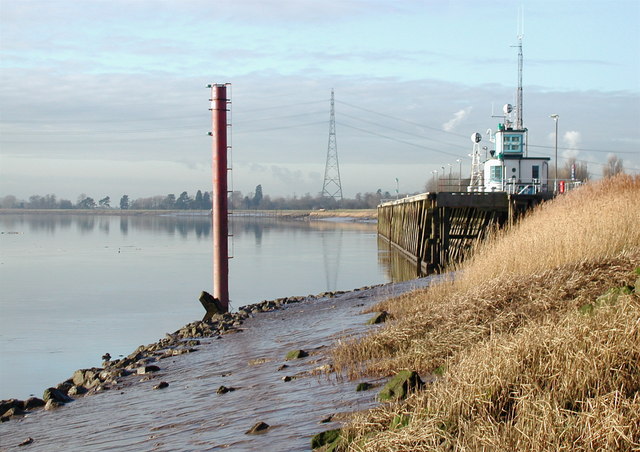
Where the Ouse and the Trent become the Humber, the flood bank at Blacktoft carries you along the top of a huge sweep of saltmarsh, mud and reed with the Trent Falls light and Alkborough Flats across the water. This is a working estuary shore rather than a resort beach, reached down the lane past the Hope and Anchor to the bank end, and it carries no dog restriction of any kind at any time of year. The East Riding seasonal beach ban names only Bridlington North, Bridlington South, Hornsea and Withernsea, all on the North Sea coast, so nothing on the Humber shore is closed to dogs in summer. The tide runs hard here and the mud is genuinely dangerous, so keep to the bank top and the lead on.

Brancaster Beach
A vast low-tide plain of sand off Beach Road, backed by dunes and the golf links, with the wreck of the Vina still showing offshore. The only dog exclusion in the whole of King's Lynn and West Norfolk borough is at Hunstanton, so dogs run here all year. The road floods on big tides, so read the board at the top of it.

Branksome Chine Beach
The stretch of Poole Bay sand between Branksome Chine and Alum Chine, with the wooded chine running inland behind it. BCP Council names the western side of Alum Chine to Branksome Chine Beach Office as open to dogs all year round, which makes this the go-to summer beach on this side of the bay. Dogs must be on the lead on the promenade.

Broomfleet Humber foreshore
The floodbank south of Broomfleet village runs out to Broomfleet Island, a low sandy spit thrown up inside the estuary where the Humber widens below Weighton Lock, with firm sand and shell at low water and a mile of saltmarsh and reed behind it. Nothing here is promenade: the way in is on foot from the level crossing at the end of Station Road, over the Market Weighton Canal and out along the bank past the Washlands. There is no seasonal dog ban of any kind on this shore. The tide fills the creeks behind the island far faster than it looks from the bank, and the deep-water channel used by ships up to Goole runs close in, so keep a dog out of the water.

Brough Haven and the Humber foreshore
The tidal inlet at the foot of Brough where the Welton Beck runs out into the Humber, with the boatyard and the sailing club on one side and mudflat, saltmarsh and reedbed on the other, reached by the lane past the Ferry Inn. This is not a sandy resort beach but it is the closest thing to open shore in this patch, and it carries no seasonal dog ban of any kind: East Riding of Yorkshire Council's dog control order names only Bridlington North Beach, Bridlington South Beach, Hornsea Beach and Withernsea Beach, all of them out on the North Sea coast, so nothing on the Humber shore is restricted at any time of year. The estuary tide here comes in fast across flat mud and the channel is deep, so this is a place for a lead near the water. The old Roman crossing at Petuaria was on this same reach.

Budle Bay
A huge tidal basin of mud and sand west of Bamburgh, part of the Lindisfarne National Nature Reserve and one of the best wildfowl roosts in England. No seasonal dog ban applies, but this is a bird place rather than a ball-throwing place, and a dog off the lead here will clear the bay in seconds. Views from the roadside pull-in are as good as walking it, and the tide comes in fast across the flats.

Cattersty Sands
Cattersty Sands is the beach at Skinningrove, in Loftus parish, tucked between Cattersty Cliff and the old jetty where the ironstone was loaded. It sits outside both of the borough's exclusion zones, which cover named stretches at Redcar and Saltburn only, so dogs are unrestricted here every month of the year. Park at the Skinningrove seafront car park below the village and the sand is straight ahead; the Cleveland Way climbs the cliff to the west towards Brotton and Warsett Hill. It is a working-coast beach rather than a pretty one, backed by mine spoil and steelworks history, and it is almost always empty even in August when Saltburn is full.

Cayton Bay
A wild, rugged sweep of untouched coastline between Scarborough and Filey that is a favourite with surfers, and dogs are welcome on it all year round. Reaching the sand means a steep path and steps down from the clifftop, so it is not wheelchair accessible.

Church Ope Cove
Sheltered shingle cove reached down steps through the ruins of Rufus Castle and St Andrew's churchyard, the only proper beach on Portland. Dorset Council lists it as open to dogs all year round. Beach huts, clear water and no vehicle access at all.

Coatham Sands
Coatham Sands is the long open beach running west from the Regent cinema past the dunes towards South Gare, and it falls entirely outside the summer exclusion zone, which stops at the Regent. That makes it the beach to use in Redcar between 1 May and 30 September, when the town frontage east of the cinema is closed to dogs and this stretch is not. There is no seasonal ban and no lead requirement here at any point in the year, only the borough-wide duty to keep a dog supervised and under control and to carry the means to pick up. Park on Majuba Road by the leisure centre or in the Coatham seafront car park; walk west and it empties out fast, and at low tide the flats run for the best part of a mile before the Gare breakwater.

Cocklawburn Beach
Three miles south of Berwick down a single-track shore lane off the A1 at Scremerston, a mix of sand, limestone ledges and fixed dunes with a set of ruined limekilns behind. It is quieter and rockier than Spittal and there are no facilities of any kind, no toilets, no bins beyond the laybys and no cafe, so bring waste bags out with you. There is no seasonal dog ban. The Northumberland County Council dog control PSPO of 31 January 2026 names only Newbiggin by the Sea, from the breakwater at Church Point to the promenade access at Sidney Crescent, and Blyth, from Beachway to the southern end of the Links Road car park, as dog-excluded beaches, and only between 1 May and 30 September; Cocklawburn appears nowhere in the schedule. The county-wide rules still bite: pick up immediately, six dogs maximum per person, lead on request from an officer, 100 pound fixed penalty and up to 1,000 pounds in court.

Cogden Beach
A wilder stretch of Chesil shingle east of Burton Bradstock, reached by a field walk from the National Trust car park, with the Fleet reedbeds behind. Dorset Council lists it as open to dogs all year round. No cafe, no lifeguard, and much emptier than Hive Beach as a result.

Coverack Beach
Shingle and sand either side of a working fishing harbour on the Lizard's sheltered east coast. Coverack is not among the beaches covered by Cornwall Council's dogs-on-beaches order, so there is no seasonal closure here at all. The clifftop path south towards Lowland Point is easy going by Lizard standards.
Danes Dyke Beach
A sheltered chalk and shingle cove at the foot of the wooded ravine, reached by a stepped path of about half a mile down from the reserve car park. The council's dog PSPO names only Bridlington North, Bridlington South, Hornsea and Withernsea, so there is no seasonal ban here and no lead requirement in law at any time of year. The reserve's own code of conduct asks that dogs are kept under close control and picked up after, which in practice means a lead on the woodland path and freedom on the shingle. There is no lifeguard, the cove cuts off on a big tide, and the beck runs out across the stones so there is fresh water to drink. Pay and display parking for about 80 cars at the top, with toilets open all year and a summer kiosk.

Daymer Bay
Sheltered dune-backed sand inside the Camel estuary, shallow and calm compared with the surf beaches either side. It is not among the beaches covered by Cornwall Council's dogs-on-beaches order, so it takes dogs all year with no time restriction — the reason it fills with them in August. Brea Hill above it is grazed, so leads on the dunes.

Durdle Door
The limestone arch and the shingle beach beneath it, reached by a steep stepped path down from the clifftop car park. Dorset Council lists it as open to dogs all year round with no seasonal restriction. The descent and the return climb are hard work on a hot day, so carry water.

Easington Beach
The sand below Easington runs out under Dimlington Cliff, the highest boulder clay cliff on the Holderness coast at around forty metres, and no dog order applies to any of it. The East Riding of Yorkshire Council Public Spaces Protection Order names four beaches only, Bridlington North, Bridlington South, Hornsea and Withernsea, so there is no seasonal ban and no lead requirement at Easington on any date. Access is down Seaside Road past the caravan site at the east end of the village, and the cliff steps here are informal and get remade as the clay slips. This is a working landscape rather than a resort: the Easington gas terminal stands behind the cliff and there are no toilets, no cafe and no lifeguard. Go on a falling tide, keep off the cliff foot, and treat any taped-off section as closed.

Embleton Bay
The bay most photographers pick for Dunstanburgh: a clean sweep of sand from the castle headland north to Newton Point, backed by links and dunes. Dogs are welcome every month of the year, with no seasonal ban on any part of it. Access is on foot from Embleton village or the golf club road at Dunstan Steads, and there is no promenade, no kiosk and no crowd.

Eype Mouth Beach
Steep shingle cove at the foot of the Eype valley between West Bay and Thorncombe Beacon, reached down a narrow lane with a small car park. Dorset Council lists it as open to dogs all year round with no seasonal restriction. Quiet even in August because there is nowhere to park a coach.

Faxfleet and Weighton Lock Humber bank
The remotest piece of shore in the East Riding: a single lane runs out past Faxfleet Grange to the eighteenth-century Weighton Lock, where the Market Weighton Canal drops into the Humber opposite Whitton Island and Whitton Sands. Below the bank there is firm sand at low water and a mile of saltmarsh, and there is no promenade, no cafe and usually nobody else. The council's seasonal dog ban does not reach here at all, naming only the four North Sea beaches at Bridlington, Hornsea and Withernsea, so this stretch is open to dogs every day of the year. There is space for a few cars at the lock and a picnic table; the tide comes in fast across the sands and the channel is a shipping lane.

Flamborough North Landing Beach
A deep sandy cove between chalk headlands, reached down the steep narrow road from the clifftop car park at the end of North Marine Road. The East Riding dog Public Spaces Protection Order names only Bridlington North, Bridlington South, Hornsea and Withernsea, so North Landing carries no seasonal ban and no compulsory lead on the sand at any time of year. The council's own description warns the bay is rocky and the access road steep, and the caves at the north end cut off on a rising tide, so keep an eye on the water. Parking is for about 150 vehicles with a small summer charge, and there are toilets, closed in winter, plus a cafe and shop at the top. The clifftop footpath either side runs through the Yorkshire Wildlife Trust's Flamborough Cliffs reserve, where dogs must be on a lead.
Flamborough South Landing Beach
Sand and chalk pebbles facing south across Bridlington Bay, at the foot of the wooded South Landing ravine and the RNLI slipway. It holds a Seaside Award and is a designated bathing water, but it is not named in the council's dog Public Spaces Protection Order, so there is no summer ban and no legal lead requirement here in any month. The council's own reserve page asks only that dogs are kept under close control and picked up after, because not everyone is comfortable around them. Access is either down the steep lifeboat road or by the flight of 75 steps from the woodland trail, and there is pay and display parking for about 100 cars on the upper level with year-round toilets. The lower level is for the RNLI and permit holders only.

Football Hole and Newton Haven
Two small bays north of Low Newton, reached only by the coast path, which keeps them empty when Bamburgh is filling up. Sand, rock pools and low whinstone reefs, and no seasonal dog restriction at any point in the year. Park at Low Newton's top car park and walk in; there is no vehicle access to the sand.

Grunta Beach
A little sandy inlet north of Combesgate, named after a shipload of pigs wrecked here, and reached down a rough path from the coast road. Dogs are allowed on the beach at any time of year, which makes it the only wholly unrestricted cove on the Woolacombe side.

Gwynver Beach
Sennen's wilder northern neighbour, reached down a long flight of steps from the cliff and cut off from the main beach at high tide. It is not among the beaches covered by Cornwall Council's dogs-on-beaches order, so dogs can use it year round at any hour. Strong rips and no lifeguard cover outside the season, so keep a dog out of the surf.

Hamworthy Beach
Small harbour beach beside Hamworthy Park on the western shore of Poole Harbour, sheltered, shallow and utterly unlike the open-sea beaches. BCP Council names Hamworthy beach as open to dogs all year round. Park and playground behind, and the water is flat enough for a nervous swimmer.

Happisburgh Beach
Sand below a fast-eroding cliff, with the red-and-white striped lighthouse behind and the oldest human footprints in northern Europe found in the foreshore here. There is no dog control order at Happisburgh, so dogs are free all twelve months. Access is by the ramp at the end of Beach Road, which changes with the cliff.

Heacham South Beach
Shingle at the top, wide flat sand at low tide, and the same westward view over the Wash as Hunstanton without the crowds. Heacham carries no dog restriction under the West Norfolk order, so it is a genuine July alternative when the town beach two miles north is closed. Parking is behind the sea wall at the end of South Beach Road.

Holmpton Beach
Two miles south of Withernsea the houses stop and Holmpton gives you the emptiest sand on the Holderness coast, with no dog restriction whatsoever. The council's dog Public Spaces Protection Order covers only four beaches in the county and this is not one of them, so there is no summer ban and no lead rule here at any time. Access is on foot from the village, past St Nicholas' Church and down the track from the end of Chapel Lane, and the cliff steps are informal and change from year to year as the clay slips. There is no car park, only verge space in the village, and no facilities of any kind. On a falling tide you can walk south past the old RAF Holmpton bunker towards Out Newton and Dimlington with the highest cliffs on this coast above you.

Hunmanby Gap
A long, quiet stretch of shoreline running from the Speeton cliffs up to Filey, reached by a steep path from a private cash-only clifftop car park. Dogs are welcome all year, and its distance from the crowds makes it a favourite escape when Filey's central beach ban is in force.

Kimmeridge Bay
Dark shale ledges and rock pools under Clavell Tower, the best snorkelling and rockpooling bay in Dorset and a marine nature reserve. Dorset Council lists it as open to dogs all year round. Reached through the Smedmore Estate toll road from Kimmeridge village.

Lulworth Cove
An almost perfect circle of shingle scooped out of the Purbeck limestone, with the fossil forest and Stair Hole on either side. Dorset Council lists it as open to dogs all year round. Leads are required on the roads and walkways leading down to the cove.

Mappleton Beach
Mappleton is the small beach two miles south of Hornsea where two enormous rock groynes were built in 1991 to hold the village up, and it is one of the best free dog beaches on this coast because no dog order applies to it at all. The council's dog Public Spaces Protection Order lists only Bridlington North, Bridlington South, Hornsea and Withernsea, so there is no seasonal ban and no lead requirement here on any date of the year. Park in the small council car park on Cliff Lane by All Saints Church and take the stepped ramp down beside the southern rock groyne. Between the two boulder groynes the sand builds up deep and soft, and north of them you can walk the whole way to Hornsea at low water. The clay cliff is live and slumping, so keep well out from its foot.

Marske Sands
Marske Sands is the middle of the three-mile run of beach between Redcar and Saltburn and carries no seasonal dog ban whatever. The borough's exclusion zones are written to cover two named stretches at Redcar and Saltburn only, and the council states dogs are welcome on the other beaches in the borough through the year. Access is down the slipway from the Marske seafront car park at the end of Winkies Castle end of High Street, or from the old cemetery and the ruined St Germain's church tower above the dunes. It is a flat, firm beach with a long shallow tide, backed by grassed banks rather than promenade, and the walk south east from here to Saltburn pier is about two miles of continuous sand.

Maryport Promenade and South Beach
Sand and shingle running south from the Georgian harbour, with a promenade above it and the Solway opening out to the north. No seasonal dog ban applies to the beach; the play areas at Camp Road and Ennerdale Road are dog exclusion areas under the council order.

Middle Chine to Durley Chine
The stretch of Bournemouth seafront between Middle Chine and Durley Chine, west of the pier and below the West Cliff. BCP Council names it as open to dogs all year round, unlike the Blue Flag and Seaside Award beaches either side of it. Dogs must be on the lead on the promenade, the zig zags and the footpaths.

Monmouth Beach
Long shingle and pebble beach running west from the Cobb towards the Undercliff, backed by beach huts and the ammonite pavement at low tide. Dorset Council lists it as open to dogs all year with no seasonal exclusion. Steeply shelving in places, so it suits a walk more than a swim.

North Sands
The inner and quieter of Salcombe's beaches, with a good stretch of sand at low water and the Winking Prawn behind it. North Sands carries no dog exclusion in the South Hams order, unlike South Sands a few hundred yards on, so it is the summer default for anyone in Salcombe with a dog.
Old Hunstanton Beach
The quiet end of Hunstanton, north of the striped cliffs, with dunes, the lifeboat station and firm sand at low water. The borough's dog exclusion stops at the northern end of the Hunstanton promenade, so Old Hunstanton is open to dogs the whole year while the town beach is shut for seven months of it. Beach Road car park is the usual way in.
Robin Hood's Bay Beach
The cobbled village winds steeply down to the seafront, where a vast stretch of rocky beach opens up at low tide — perfect for rockpooling and fossil hunting with a dog in tow. Dogs are welcome all year and the beach connects to the King Charles III Coast Path, but check tide times as high water covers most of the beach.
Runswick Bay Beach
A picture-postcard sheltered bay tucked under the hillside village, ideal for fossil hunting along the shore. Dogs are welcome all year round, but time your visit with the tide — a large sandy beach appears at low tide while high water can cover the beach entirely.

Saltmarshe Ouse foreshore
The tidal Ouse at Saltmarshe swings round a long bend below the hall's parkland, and at low water the bank drops onto a strand of firm sand and shell with mudflat and saltmarsh either side of it. Access is on foot from Saltmarshe station or from the lane past the hall, out to the top of the flood bank; there is no promenade, no slipway and no facilities of any kind. Nothing here is closed to dogs at any time of year, because the East Riding seasonal beach ban reaches only Bridlington, Hornsea and Withernsea. The flood tide comes up this reach fast and pushes a bore-like edge across the flats, and the mud off the sand is soft, so this is a place to stay on the strand and keep the lead handy.
Sandham Bay
The empty sand on the island's north-east shore, twenty minutes on foot from the village past the Lough and the lime kilns. No seasonal dog ban applies here, as nowhere on this coast outside Newbiggin and Blyth. It sits inside the Lindisfarne National Nature Reserve, so keep well clear of roosting and feeding birds, and watch the causeway clock.

Selwicks Bay
The little chalk-and-shingle bay directly below Flamborough Lighthouse, ringed by stacks, arches and a wave-cut platform that geology students are bussed out to see. It is outside the council's dog Public Spaces Protection Order, so there is no seasonal ban and no compulsory lead at any point in the year. Getting down means a long steep mostly stepped path from the headland car park, which the council states plainly is not suitable for wheelchairs or limited mobility, and it is a hard climb back up in summer heat. There is very little beach at high tide and the rocks are slippery with weed, so this is a short scramble rather than a long run. Pay and display parking, toilets and a cafe sit at the top by the lighthouse.
Silloth West Beach
Cobble and sand along the Solway shore below the promenade and Silloth Green, looking across to the Scottish hills. There is no seasonal dog ban under the Cumberland order, but this is a bird coast: keep dogs under control near the feeding and nesting areas and on the lead around the grazing stock.
Snettisham Beach
A long shingle bank at the end of a dead-end road across the marshes, with the RSPB's gravel pits behind and enormous wader roosts on spring tides. No dog order applies, so dogs are welcome all year, but this is a wintering-bird site and the sensible thing is a lead near the pits. Very exposed, and all the better for it.
Southbourne Beach
The long, wide sands running east from Southbourne towards Hengistbury Head, with far fewer people on them than Bournemouth's central beaches. BCP Council names the beach east of Fisherman's Walk to Southbourne as open to dogs all year round. Sand, groynes and a good two-mile walk to the Head.
Spittal Beach
A mile of firm flat sand running south from the mouth of the Tweed, backed by a Victorian promenade with a cafe, a play park and public toilets, and reached on foot from Berwick town centre in about twenty-five minutes over the Old Bridge. There is no seasonal dog ban here at all. The Northumberland County Council dog control public spaces protection order, in force from 31 January 2026, excludes dogs from only two beach stretches in the whole county, at Newbiggin by the Sea and at Blyth, both between 1 May and 30 September, and Spittal is neither. What does apply everywhere in Northumberland is that dog waste must be picked up immediately, that no one may walk more than six dogs at a time in a public place, and that an authorised officer can require any dog to be put on a lead of no more than 1.5m; the fixed penalty is 100 pounds, reduced to 80 if paid within seven days, and up to 1,000 pounds on conviction. The enclosed children's play area on the promenade is dog-free year round under the same order.
St Aidan's Dunes and Seahouses North Beach
The long sand and marram run north out of Seahouses towards Bamburgh, backed by dunes and with the Farne Islands sitting offshore all the way. No seasonal dog ban applies: Northumberland's dog control order restricts only two marked stretches, both of them thirty miles south at Newbiggin and Blyth. Ground-nesting birds use the dunes, so the sand is the safer place to let a dog run.
St Marys Bay
A long sand and shingle beach below high cliffs south of Brixham, reached by a steep stepped path that keeps the crowds down. It is one of the Torbay beaches where dogs are allowed all year round, which combined with the walk in makes it the best dog beach in the bay in high summer.
Staithes Beach
A small, sheltered harbour beach hemmed in by steep cliffs at the foot of one of Yorkshire's prettiest fishing villages. Dogs are welcome all year, but the beach mostly disappears at high tide and the walk down through the village is steep, so it is not wheelchair accessible.
Tate Hill Beach
A small, sheltered patch of sand tucked within Whitby's main pier walls on the east side of the harbour, below the 199 steps. The council removed its dogs-on-lead restriction in the 2025 Public Space Protection Order, so dogs are now welcome all year — though access is not suitable for wheelchairs.
Thornwick Bay
Two coves in one, Little Thornwick and Thornwick Bay proper, tucked under high chalk cliffs west of North Landing with a natural arch and a sea cave you can walk into at low water. No part of it appears in the East Riding dog Public Spaces Protection Order, so dogs are free here all year with no lead required by law. The council warns the way down is a fairly steep uneven path with metal steps, so it is no good for a dog that will not manage a staircase, and the sand vanishes entirely on a high tide. Parking is at the Thornwick Bay car park at the end of the lane off North Marine Road, with the cliff-edge cafe alongside. The clifftop above is Yorkshire Wildlife Trust land where a lead is required.

Tunstall Beach (Sand le Mere)
Tunstall is where the Greenwich Meridian meets the North Sea, and the beach carries no dog order at all. The East Riding of Yorkshire Council dog Public Spaces Protection Order names only Bridlington North, Bridlington South, Hornsea and Withernsea, so there is no seasonal exclusion and no lead requirement on this sand on any day of the year. The catch is getting to it: the only practical way down is through the privately owned Sand le Mere holiday village at the end of Seaside Road, and the path to the beach is regularly cut back by erosion and can be muddy and broken. Once you are down it is wide, firm, empty sand running north towards Aldbrough and south towards Withernsea with nothing on it but clay boulders and driftwood. Nothing here is patrolled, so a rising tide against the clay is your own problem to watch.
Warkworth Beach and Buston Links
Two miles of dune-backed sand between the Coquet estuary and Birling Carrs, with a car park at the north end of the village and almost nothing else. Dogs are welcome in every month; no seasonal restriction applies. The dunes are fragile and grazed in places, so stick to the marked paths on the way through.
Wells Beach
The beach at the end of the mile-long pinewood bank from Wells quay, with the beach huts on stilts and sand running west towards Holkham. There is no dog control order here at all: Wells is not one of the nine beaches North Norfolk District Council restricts, so dogs are free all twelve months. Watch the tide, which fills the creeks behind you quickly.
Weybourne Beach
Steep shingle where the water goes deep close in, which is why the invasion scares of four centuries all named this spot. No dog order applies, so it is open all year, and it is the quietest beach within reach of Sheringham. There is a car park a short walk from the shingle at the end of Beach Lane.

Wilsthorpe Beach
Flat soft sand at the far south end of Bridlington, reached down the steep slipway beside the Park and Ride off the A165. This is the beach that matters if you have a dog in summer, because it lies well south of the Princess Mary Promenade Sea Wall and is therefore outside the council's seasonal exclusion, so dogs are free here every day of the year while the town-centre sand is closed to them. It holds a Seaside Award and is a designated bathing beach, with toilets open all year and a summer cafe at the Park and Ride. Second World War anti-tank blocks lie tumbled on the sand to the south, a reminder that this coast is eroding fast. The slipway is steep and uneven, and parking is in the Park and Ride car park behind the bus stop.
Workington Beach at Oldside
The shore north of Workington harbour below the old Oldside steelworks slag banks: shingle, rock and firm sand at low water, running up towards Siddick with the Solway open in front and Criffel across the water in Scotland. There is no seasonal dog ban here. Cumberland Council's dog control order lists no beach in the county as either an exclusion area or a dogs-on-lead area, so the sand is open to dogs off the lead all year, which is a genuine finding rather than an omission. It is unpatrolled, there is no lifeguard, and the currents at the mouth of the Derwent are strong, so keep a swimming dog well south of the harbour entrance.

Cley Beach
A shingle ridge at the end of Beach Road with the Norfolk Wildlife Trust's reedbeds behind it and the shingle running east to Salthouse and west to Blakeney Point. There is no seasonal ban here, but the reserve itself is closed to dogs and the shingle bank is a lead-only route, which is the deal that keeps the birds and the walkers apart. It is one of the great bleak walks of the English coast.

Haverigg Beach
A wide sand and shingle beach at the mouth of the Duddon, backed by marram dunes and running west towards Silecroft with Black Combe standing behind it. At low water the sand is firm and vast. There is no seasonal dog ban here: Cumberland Council's dog control order lists no beach anywhere in the county as either a dog exclusion area or a dogs-on-lead area, so the sand is open to dogs off the lead all year round, which is a genuine finding rather than a gap in the record. What is restricted is the land behind the beach. There are no lifeguards and the Duddon channel runs hard on the ebb, so keep a swimming dog well away from the mouth of the estuary.
Hessle Foreshore
Not sand but the tidal edge of the Humber: a mile of shingle, chalk rubble and soft brown mud running east from directly under the Humber Bridge past the Old Black Mill, with a hard gravel promenade above it and a hundred free parking spaces along the strip. It is East Riding of Yorkshire Council land and carries no seasonal dog ban at any time of year, which makes it one of the few pieces of open water access near Hull that a dog can use in July. The council does require dogs on leads here at all times. The Humber runs a very large tidal range with fast currents and deep mud, so this is a walk beside the water rather than a swimming beach.

Kilnsea Beach
The North Sea shore at Kilnsea, running north from the neck of Spurn past Beacon Ponds towards Easington, is shingle over sand backed by a low sea bank rather than a proper cliff, and no council dog order touches it. The East Riding of Yorkshire Council Public Spaces Protection Order lists Bridlington North, Bridlington South, Hornsea and Withernsea and nothing else, so there is no seasonal exclusion here at any time of year. The catch is not a council order but the birds: the shingle at Beacon Lagoons holds nesting little terns and ringed plover through the spring and early summer, Yorkshire Wildlife Trust signs mark where a lead is needed, and the reserve itself asks for dogs on leads. Park at the Kilnsea Wetlands car park on Easington Road and walk out over the bank. There is nothing here at all, which is the point.
Saunton Sands
Three and a half miles of sand backed by the Braunton Burrows dunes, privately managed by Christie Estates. Dogs are allowed all year, unusually for a beach this size, but must be on leads in front of the beach huts; parts of the Burrows behind carry seasonal lead requirements of their own under the district order.
Seascale Beach
A long, flat sweep of sand below the sea wall and the old railway station, with the Isle of Man visible on a clear evening and dunes at the north end. There is no seasonal dog ban here, which makes it one of the more useful summer beaches in west Cumbria.
St Bees Beach
A mile and a half of sand and shingle under the red sandstone of St Bees Head, and the start of the Coast to Coast walk. Cumberland Council sets no seasonal dog ban on the sand, so this is a year-round beach; the restrictions are on the grass behind it rather than the shore.
Tunnels Beaches
Victorian bathing beaches reached through hand-carved tunnels in the cliff, privately run and ticketed, with a tidal seawater pool. Dogs may go through the tunnels on a lead but are not allowed onto the beaches themselves, at any time of year, so this is a walk-through rather than a day out with a dog.